How does a Content Management System influence the rhetoric of digital communication?
When the writer uses a CMS, the process of content creation happens in a structured space, where a technological system directly impacts digital rhetoric.
Every element in the program carries a rhetorical function, influencing how the message will be displayed, and therefore, interpreted. CMSs blend human intention and technical design. Templates, fields, and metadata frames what is considered content, while the author is limited by the interface that guides and structures all aspects of the content.
Content Management Systems are technological systems whose structure and interface shape the rhetoric of digital communication. They teach writers how to create content within predefined boundaries and influence who can access content and how.
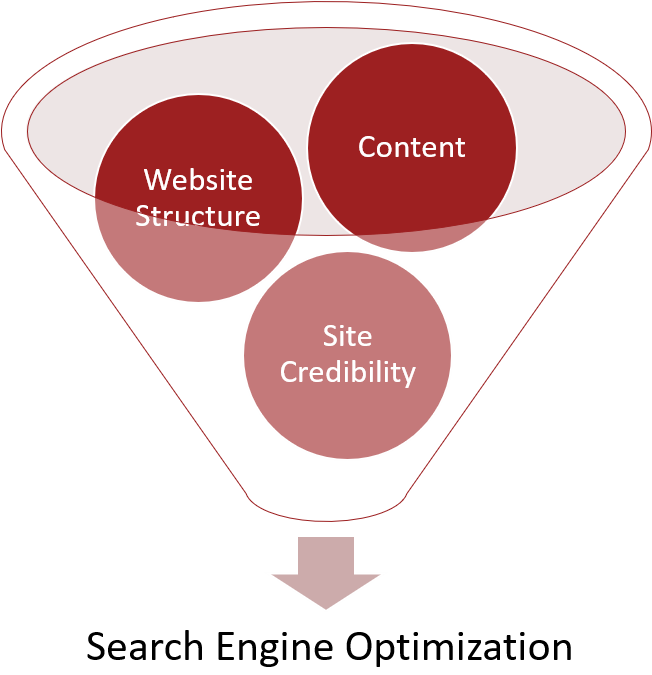
Search Engine Optimization
CMS mediation impacts not only the organization of a website, but also the way content is integrated into digital space. Modern CMSs use mechanisms such as Search Engine Optimization (SEO) — a set of strategies that help make content more visible and discoverable by search engines. By providing key words, title structures, links, and tags, CMSs shape content and determine for whom and how this information becomes accessible, building larger discourses of digital space.