What is a Content Management System?
Content Management Systems (CMSs) are digital platforms that are used for the creation, organization, and publication of online information. CMSs help authors, editors, and designers manage content without the need to write a code, transforming the process of web development.
Modern CMSs have become more than just a publishing tool. They function as an interactive workspace, where the process of creating, editing, and updating of content happens simultaneously. This transformation has changed the way we understand digital writing; instead of a unilinear process of recording ideas, writing can now be seen as a dynamic and multidirectional process of collaboration and iteration.
A Content Management System is a space for both writing and thinking. It combines human creativity and digital structure, shaping how information is created, organized, and understood in online spaces.
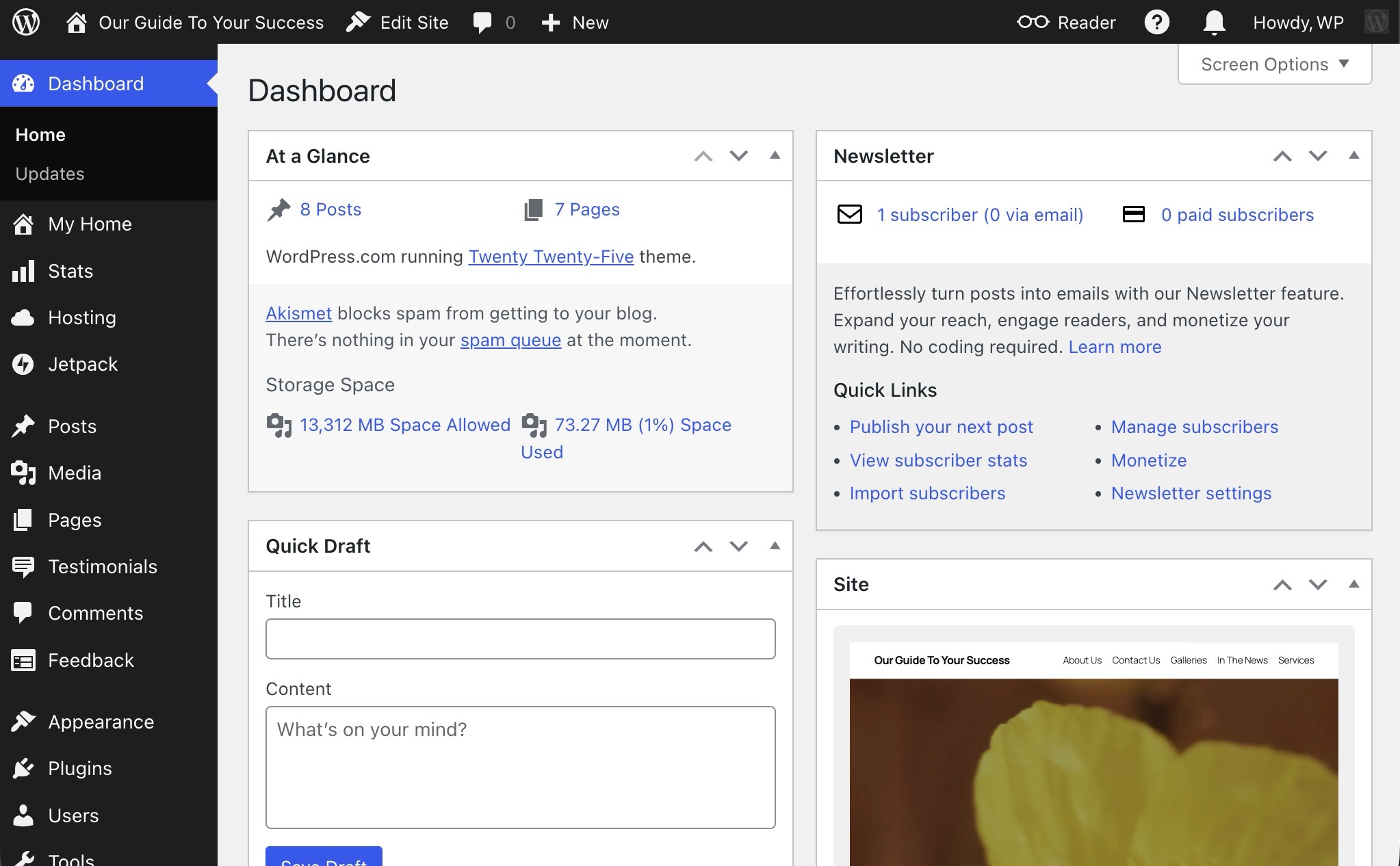
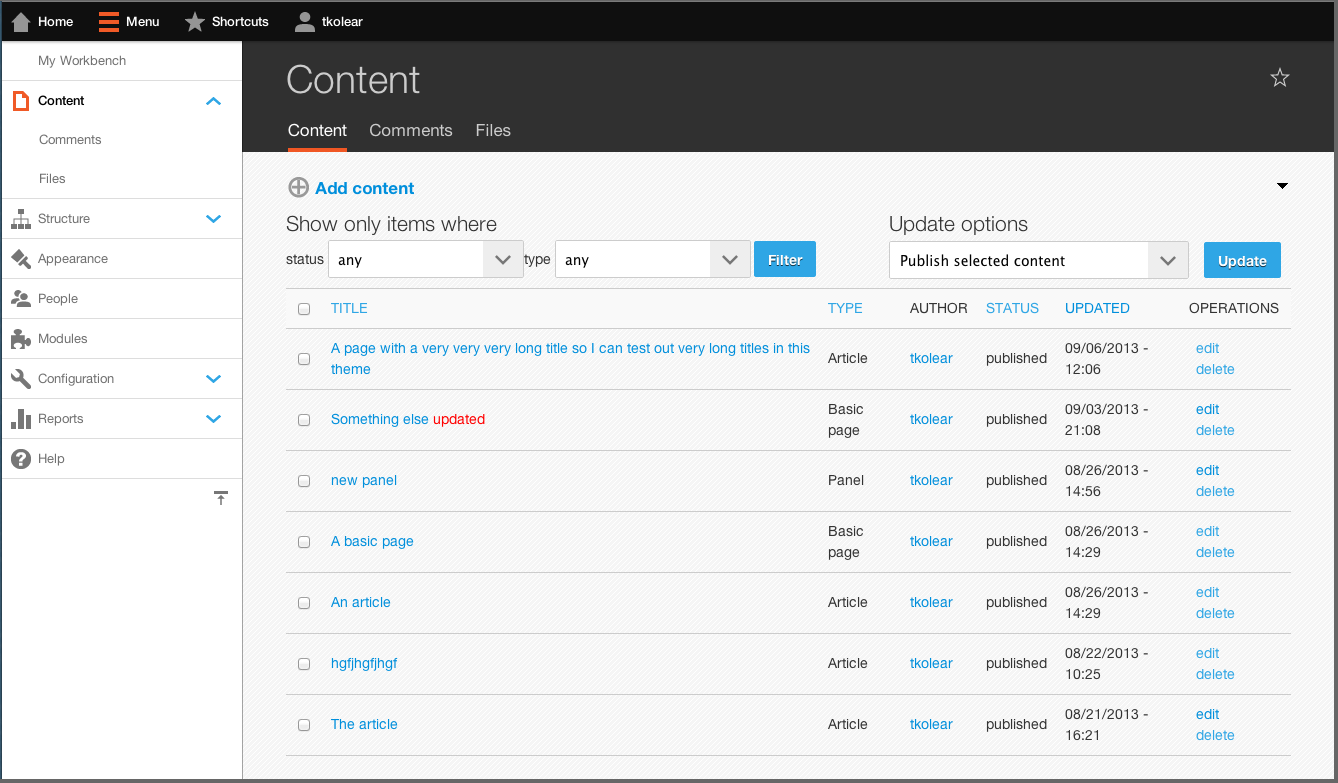
Platforms like WordPress, Drupal, and Wix are examples of these Content Management Systems. They store content information in structured databases and use various templates to visually present the content. While the author can focus on meaning, the CMSs manage the structure and organization.
Examples of Popular Content Management Systems: