How does a Content Management System transform in response to technological advances?
In the world of automatization and Artificial Intelligence (AI), more and more digital platforms integrate AI‐powered tools. CMSs are not an exception to this tendency. Moderns CMSs use AI to suggest headlines, generate summaries, and tag content automatically. While these features save time and improve consistency, they also raise new ethical concerns about authorship and algorithmic control of digital rhetoric.
Current research on algorithmic systems and digital communication views algorithms as rhetorical agents whose level of participation in meaning‐making is increasing. They analyze patterns, predict audience behavior, and optimize visibility, shaping of what is written and what is read.
Automation turns a CMS into a co-author and a rhetorical agent. Algorithms can streamline the process of content creation but require from a writer a higher level of critical analysis and ethical considerations.
On one hand, automatization increases the effectiveness and accessibility of digital writing; they save time, increase consistency, and enable personalization. On the other hand, automatization increases risks of biases and loss of creative control.
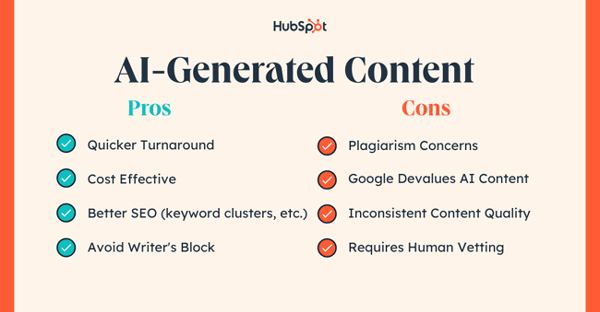
Being a content creator in the 21st century requires not only skills in writing, audience analysis, and creativity, but also a deep understanding of the nature of technology and its impact on communication. Writers must balance efficiency with transparency, understanding how automated decisions affect meaning and visibility.