
Gentrification and Displacement
What is Gentrification?
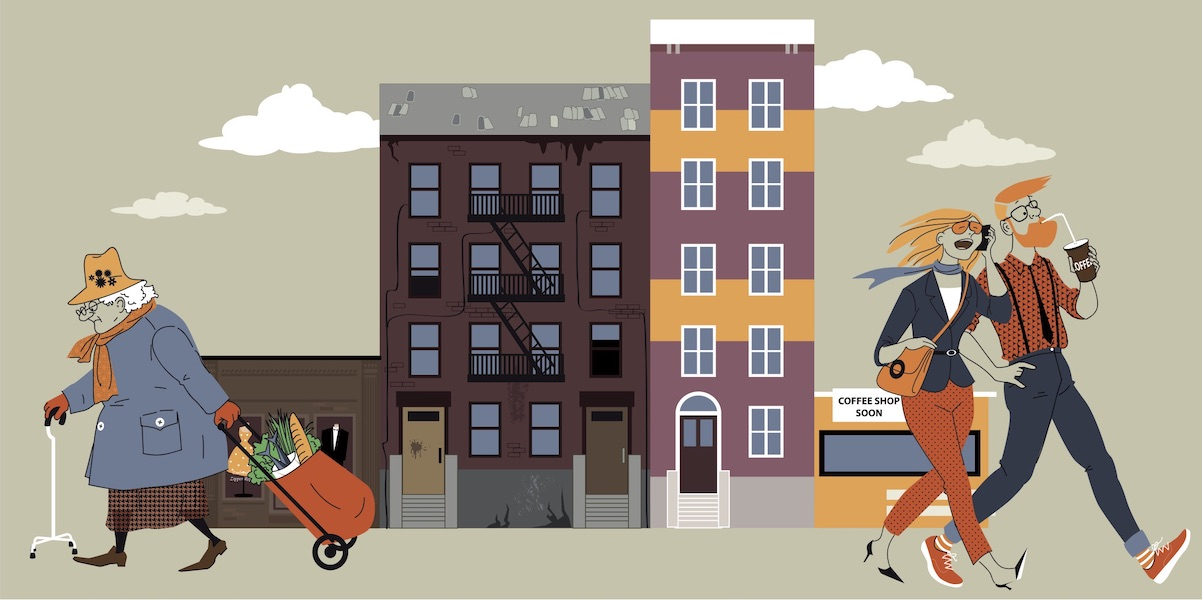
"A process in which a poor area (as of a city) experiences an
influx of middle-class or wealthy people who renovate and rebuild
homes and businesses and which often results in an increase in
property values and the displacement of earlier, usually poorer residents"
Merriam Webster
In recent years, gentrification and its effects have become more widely discussed and debated. The term is used with both negative and positive connotations, as its meaning seems to change depending on how it’s used and who is the focus. Ruth Glass, a German sociologist and known Marxist, was the original creator of the term “gentrification”. In its first recorded use in 1964 London, according to Subramanian. Glass wrote, “Once this process of ‘gentrification’ starts in a district, it goes on until all or most of the original working-class occupiers are displaced, and the whole social character of the district is changed.”
Poor neighborhoods become ideal locations for various reasons, new and expensive housing is then built and occupied by higher-income residents, and as the neighborhood grows and demographics change, it becomes increasingly less affordable for the previous occupants to remain.
History of Housing Inequality
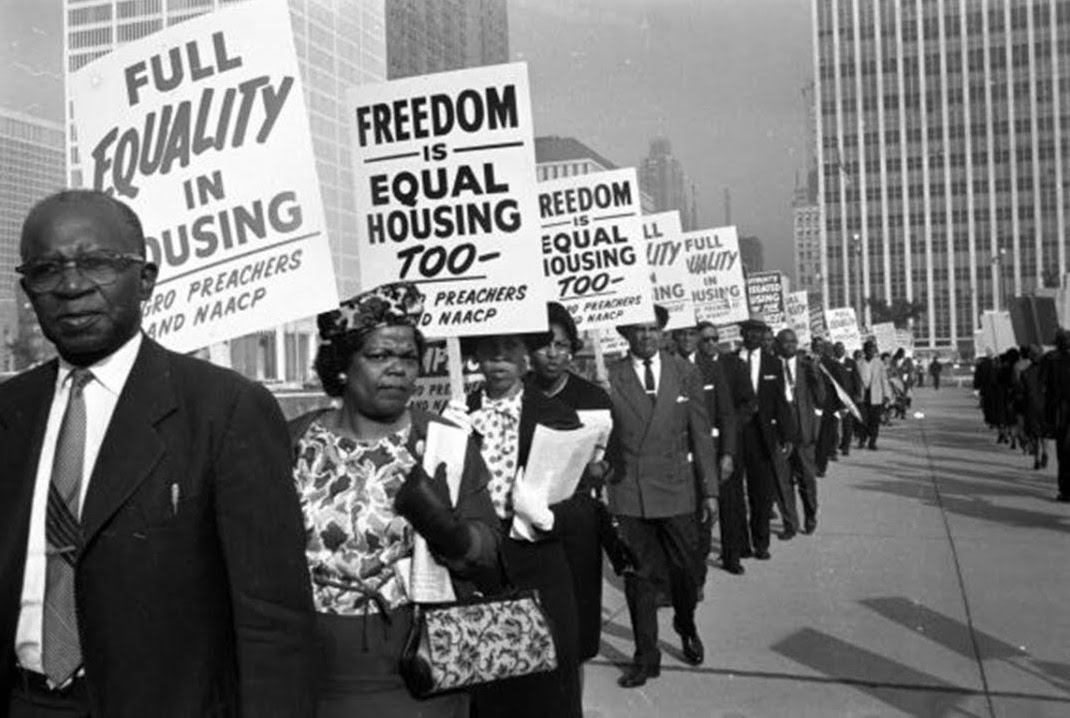
Before the term was even coined by Glass, the process of gentrification has long been occurring in our country. Stemming from and overlapping with the days of racial segregation, gentrification primarily affects people of color.
In 1933, after the Depression, the country was facing difficulties keeping up with the housing demands of the increasing population. Federal and state programs and regulations were put in place to increase available housing, along with keeping them segregated. The development of new houses and communities were taking place farther outside of city-centers, while Black housing and neighborhoods contained to be pushed and contained into dilapidated urban projects within the cities.
The expansion of new homes limited to only middle-class white families continued into the 60s, all while the segregation was being regulated by the government agency, Federal Housing Administration. The FHA financially assisted housing developers building vast suburbs for whites, on the condition that they could not sell the homes to Blacks. Because of FHA laws, Black families were not only prevented from buying new homes in the racially segregated suburbs, they couldn’t even buy homes in their own neighborhoods. In a process known as redlining, lenders now labeled neighborhoods occupied predominantly by Black people as “unfit for investment”, denying them loans for homes even in their own communities.
While the Civil Rights Act of 1964 and the Fair Housing Act of 1968 brought an end to government limitations on housing and home loans based on race, the damage it caused continues to divide communities as Black and Latino families still occupy the majority of low-income neighborhoods. For decades, funding and community improvements and expansions were reserved for affluent neighborhoods and business districts within large cities, neglecting the deteriorating residential neighborhoods.

Why are Neighborhoods Changing Now?
Lending limitations based on race and ethnicity may have become illegal, but income restrictions and property location still effect how people of color in these neighborhoods are granted home and business loans. Many are still seen as a “risk” to lenders but instead of denying them loans, they are often offered loans at much higher interest rates. When they are unable to keep up with the terms of their loan, they become at risk for foreclosure at a disproportionately higher rate for people of color.
Homes and businesses that become foreclosures by the lenders are sold at much lower prices, in attempt to sell quickly and replace some of their financial loss. When these inexpensive buildings become available, real-estate investors often purchase them to renovate or demolish and rebuild. They sell at a higher price or rent out their buildings to those who can afford it, causing an influx of middle-class individuals, families, or entrepreneurs to the neighborhood.
In addition to the higher rate of foreclosures in recent history, there have been drastic development changes in many major cities that are contributing to the gentrification of low-income neighborhoods. With large corporations expanding their buildings and campuses within the city and increasing their white-collar staff, many young professionals are relocating closer to their work.
What is Displacement?
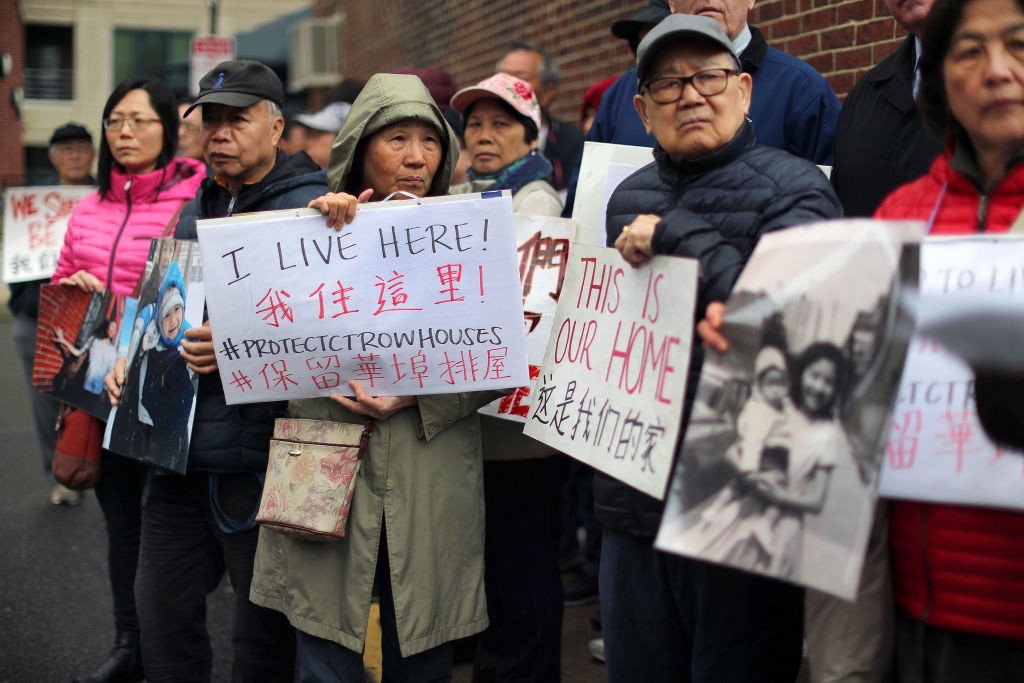
The rising numbers of young middle-class, white-collar workers attracts new business and housing catered to their demographic. Improvements are often made in transportation and parks and recreation because of the increased population, which further increases the cost of living in the area. Low-income and primarily blue-collar people of color, and often elderly, struggle to afford to stay in their homes, and are forced to relocate to other low-income areas far from their established lives.
What Can I Do About Displacement in Seattle?
If you have questions or need assistance with displacement, visit our Programs page for more information on how we can help.
If you would like to volunteer your time and services, visit our Contact page to ask how you can help.