Technical Writers' Relationship to the Audience
Technical writers need to understand the intended audience of their documents before they begin working on any stage of a project. The first step that should be taken, once a project has been accepted, should be the crafting of an audience analysis.
The importance of this analysis and the understanding of the relationship that is created between a technical writer and their audience has been documented as an influential tool toward the success of a project within multiple online studies. Especially in this digital age, as presented in the article,
"How Are New Technologies Affecting The Technical
Writer/Audience Relationship?"
it is more important than ever that technical writers understand who they are talking to while they are creating.
This piece discusses the relationship between technical writers and their audiences and talks about the ways that the digital age has increased the immersion and collaboration of technical writers and their audience, due to the interactivity of electronic designs. It is crucial to understand who the audience is and where the document is going while designing for the web, as it is simpler than ever for a document to be made completely inaccessible due to a lack of preparation. Technical writers should talk to their clients about who the intended audience is, conduct outside research on that audience group, and place themselves in the shoes of the audience in order to visualize the effectiveness of their document.
The Pieces of an Audience Analysis
There are many elements of an audience's demographic that technical writers can choose to focus on, depending on the purpose of their document. Below is an image collected from
"Audience Analysis Guide" that depicts the main categories and example questions that a technical writer should ask about their audience group.
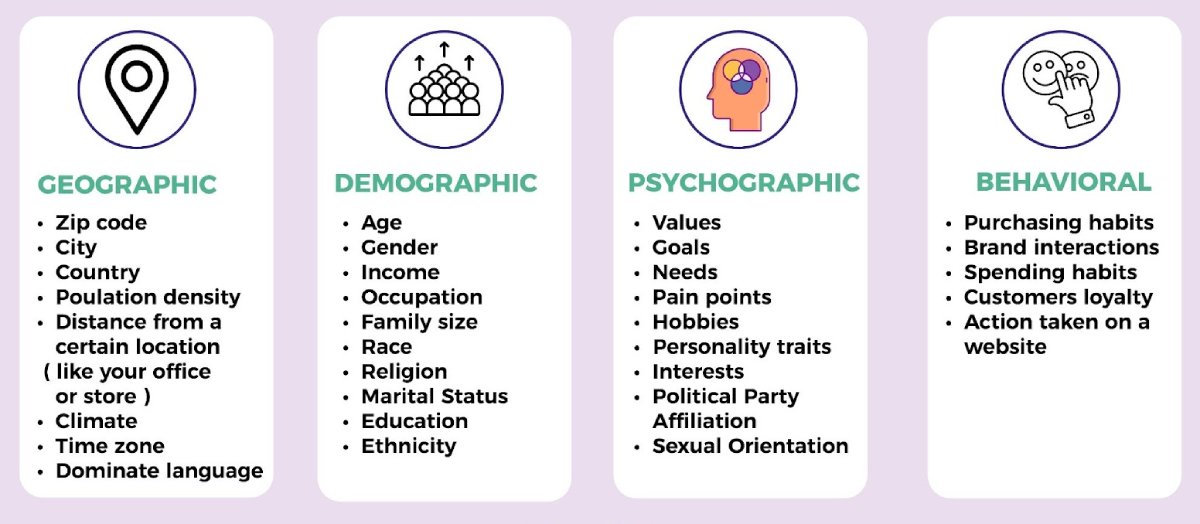
These questions can be answered through client interactions, research, or intended audience interviews. A separate document featuring what questions were considered and their answers should be made, referenced, and saved throughout the entirety of the project. Once an audience analysis has been conducted and a separate document of the results has been saved, the project can begin, and the results of the analysis can be applied.
How to Apply an Audience Analysis to a Document
Every design choice and functionality consideration that is made within a document should be motivated by the results of the audience analysis. Main features affected by these results can include: font style and color choices, background color or design choices, and graphic display and sizing choices. Some examples of an applied audience analysis would be sizing up texts and graphics for an audience of the visually impaired or using many images to depict instructions for a teenage audience.
There is no "perfect" way to conduct an audience analysis, and each technical writer should feel comfortable creating a process and document that works best for them. However, in order to learn what to look for and how to organize an analysis, it is important to conduct learn through examples, such as
"Audience Analysis: What It Is And How To Do It."
Each analysis will be different, and each resulting document will be unique, all depending on the audience of a piece. Allowing oneself to feel empathy and concern for the audience of a piece can prompt a technical writer to make choices that enhance the audience's experience through care and compassion.